Blemish-Prone Skin: What It Means, Why It Happens & What Can Help
AESTHETICA HQ Team
Blemish-prone skin can be unpredictable and frustrating. From occasional blemishes on the face to lingering skin imperfections that don’t seem to fade, many people struggle to understand what’s really happening beneath the surface and how to manage it effectively.
This guide explains what blemish-prone skin means, what causes blemishes on the skin, how blemished skin differs from acne-prone skin, and how advanced laser-based skin treatments may support clearer, more balanced skin over time.
What Is Blemish-Prone Skin?
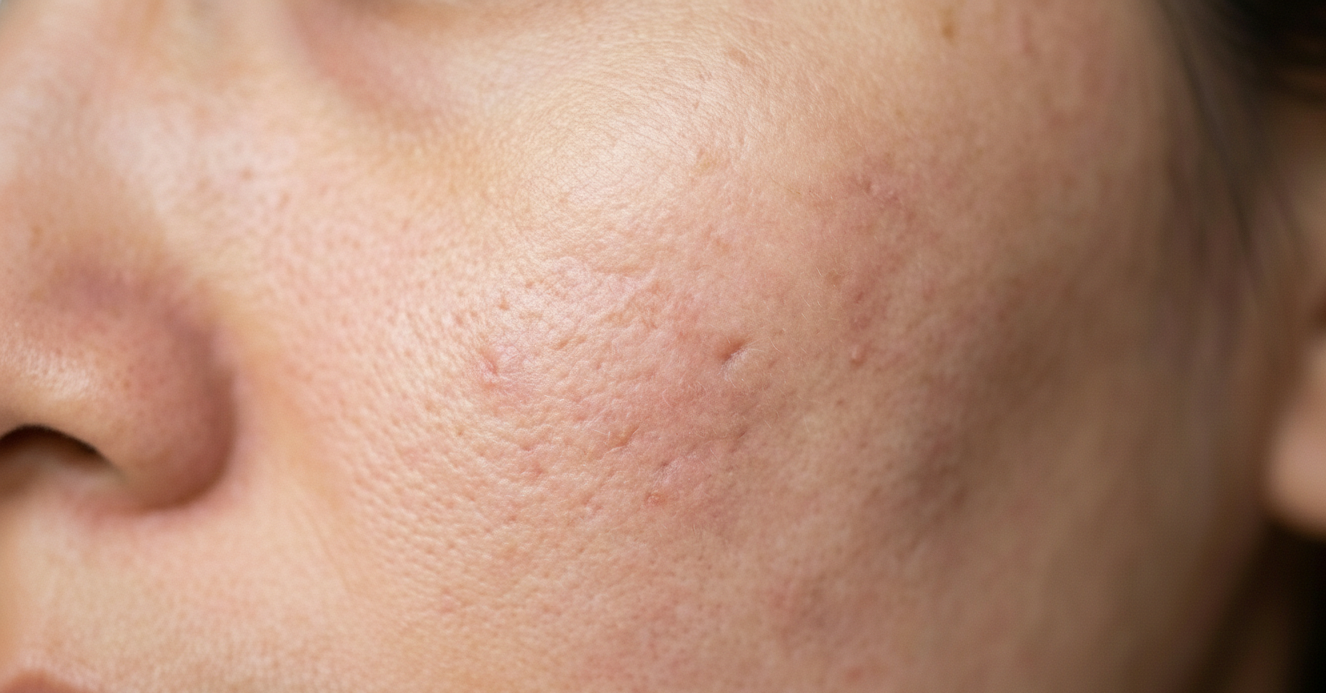
Blemish-prone skin refers to skin that is more susceptible to developing visible skin blemishes, including spots, discolouration, redness, and uneven texture. A blemish is any mark or imperfection on the skin, which means blemished skin doesn’t only relate to breakouts. It can also include dark marks left behind after inflammation, irritation from environmental stressors, or changes in skin tone and texture.
While oily skin types are often more prone to blemishes, blemish-prone skin can affect anyone, including those with dry or combination skin. Factors such as stress, hormonal changes, skincare habits, and sun exposure can all influence how frequently blemishes appear.
Blemish-Prone Skin vs Acne-Prone Skin
Although the terms are often used interchangeably, blemish-prone skin and acne-prone skin are not the same. Acne is a defined skin condition involving clogged pores, excess oil production, and inflammation that tends to be persistent and recurring.
Blemish-prone skin, on the other hand, describes skin that experiences occasional or recurring skin imperfections. These may include acne blemishes, but also encompass pigmentation, redness, or textural irregularities that can remain after breakouts heal. In simple terms, all acne is a type of blemish, but not all blemishes are acne.
Common Types of Skin Blemishes
Blackheads - Open pores clogged with oil and dead skin
Whiteheads - Closed pores trapping debris beneath the surface
Papules & pustules - Inflamed blemishes caused by irritation or bacteria
Acne blemishes - Spots linked to congestion and inflammation
Post-inflammatory hyperpigmentation (PIH) - Dark marks left behind after blemishes heal
Textural irregularities - Uneven skin caused by past breakouts or congestion
Understanding the type of facial blemish you’re experiencing is an important step toward choosing the most appropriate skin care and treatment approach.
What Causes Blemishes on the Face?
Blemishes on the skin rarely stem from one single cause. Instead, they typically develop due to a combination of excess oil production, uneven skin cell turnover, hormonal fluctuations, environmental exposure, and inconsistent skincare routines. Sun exposure can worsen blemishes on the face by increasing pigmentation and slowing the skin’s natural healing process, which is why dark marks often linger longer than expected.
Touching or picking at blemishes can further disrupt the skin barrier, increasing inflammation and the risk of long-term skin blemishes or uneven texture.
Skincare for Blemish-Prone and Blemished Skin
A consistent skincare routine plays a crucial role in managing blemish-prone skin. Gentle cleansing helps remove oil, sweat, and debris without stripping the skin, while controlled exfoliation supports healthy cell turnover and reduces pore congestion. Hydration is equally important, as dehydrated skin may overproduce oil in response.
Sun protection should not be overlooked. Daily sunscreen use helps prevent blemishes on the face from darkening and supports the skin’s natural recovery process. While skincare can improve surface-level concerns, it may not always be enough to address deeper or more stubborn blemishes.
How Laser Treatments Can Help Blemish-Prone Skin
For individuals wondering how to get rid of blemishes on the face, professional laser and light-based skin treatments can offer an additional layer of support when skincare alone isn’t delivering results.
Advanced laser technologies can help improve overall skin clarity by supporting skin renewal, refining texture, and reducing the appearance of redness and pigmentation associated with blemished skin. Treatments are tailored based on skin type and concerns, allowing for a more personalised approach to managing blemish-prone skin.
Laser treatments are designed to work with the skin rather than against it, making them suitable for a wide range of skin tones and sensitivities when performed following a professional consultation.
Do Blemishes Go Away Naturally?
Some skin blemishes may fade on their own over time, particularly surface-level marks. However, blemishes on the face, especially pigmentation and textural changes, can take months or even years to resolve without targeted care. Ongoing sun exposure can significantly delay this process, reinforcing the importance of professional guidance and preventative skincare.
When to Seek Professional Skin Advice
If blemishes on your skin are recurring, slow to fade, or affecting your confidence, a professional skin consultation can help clarify what’s contributing to the issue. A tailored assessment allows for personalised recommendations that may include advanced skin treatments alongside a supportive skincare routine.
Explore Advanced Laser Skin Treatments
If you’re looking to improve the appearance of blemish-prone or blemished skin, laser-based skin treatments may help support clearer, more even-looking skin over time.
A consultation ensures your skin concerns are properly assessed so any treatment plan is aligned with your skin type, goals, and long-term skin health.