Acne Scars: Why They Happen, What Actually Works, and How to Improve Them
Acne often fades with time, but acne scars can linger long after breakouts have cleared. For many people, they show up as uneven texture, small indentations, or stubborn dark marks that refuse to budge no matter how carefully the skin is treated at home. While acne scars rarely disappear entirely on their own, the good news is that their appearance can be significantly improved with the right understanding and treatment approach.
Knowing why acne scars form, how to identify your specific scar type, and which treatments genuinely work can make all the difference in achieving smoother, more even-looking skin.
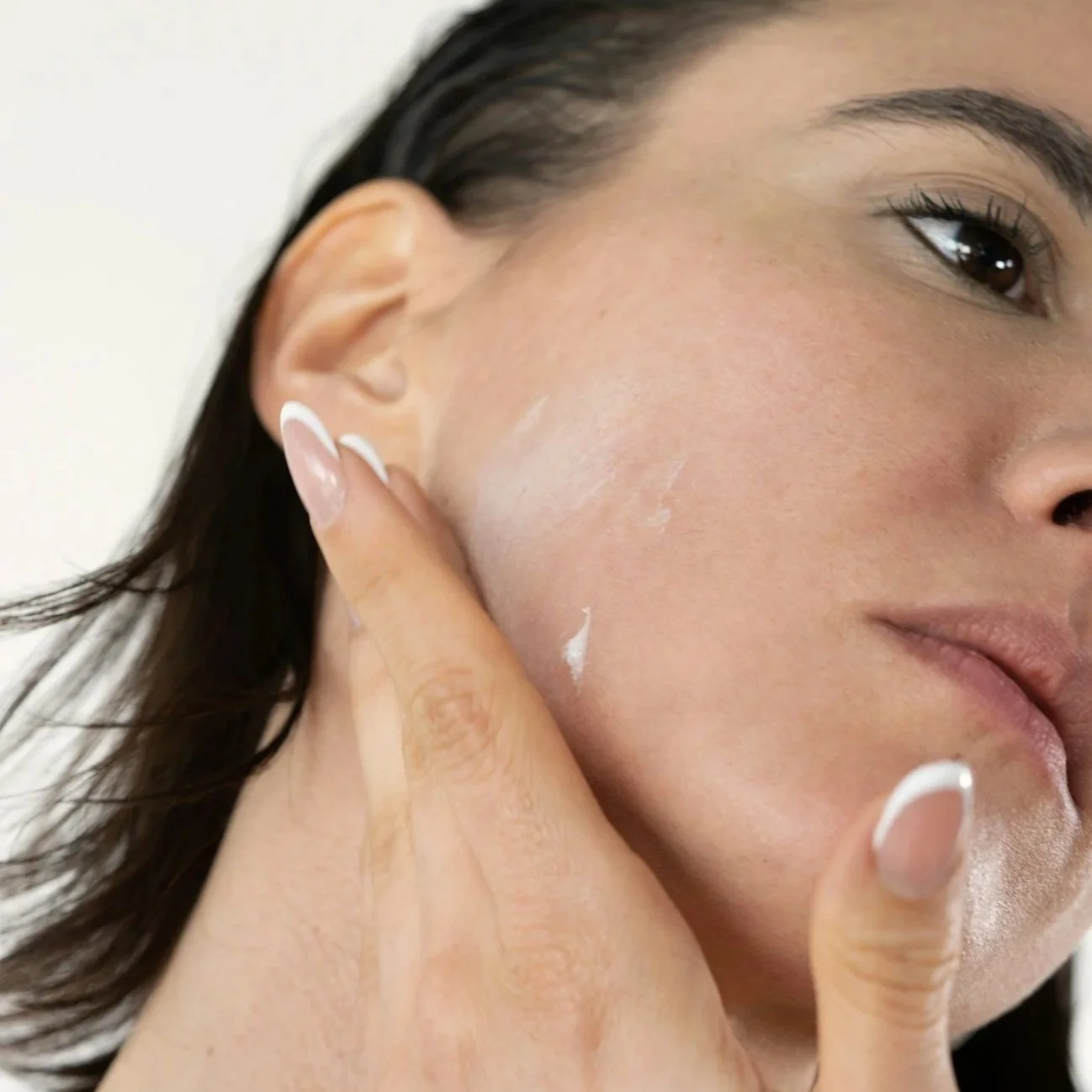
What Causes Acne Scars?
Acne scars develop when inflammation disrupts the skin’s natural healing process. When a breakout forms, especially deep or inflamed acne, it damages the surrounding skin tissue and collagen. As the body works to repair this damage, collagen is produced to rebuild the skin. If too little collagen is created, the skin is left with an indentation. If too much collagen forms, the result is a raised or thickened scar.
The likelihood of scarring increases when inflammation is severe or prolonged, acne treatment is delayed, or breakouts are picked or squeezed. Genetics also play a role, as factors such as skin thickness, collagen production, and pigmentation can influence how the skin heals after acne.
The Different Types of Acne Scars
Not all acne scars look or behave the same, which is why a one-size-fits-all solution rarely works.
Depressed acne scars, also known as atrophic scars, are the most common. Rolling scars create a wave-like texture across the skin, while boxcar scars appear as defined, shallow depressions with sharp edges. Ice-pick scars are narrower and deeper, resembling enlarged pores or small puncture marks caused by deep cystic acne.
Raised scars form when the skin produces too much collagen during healing. These scars are more common on the body, such as the chest or back, but can also occur on the face. In addition, many people experience post-inflammatory hyperpigmentation, which appears as red, brown, or dark marks after acne heals. While these marks are not true scars, they can be just as frustrating and often take time to fade.
Do Acne Scars Go Away on Their Own?
Some forms of acne scarring can improve gradually over time, but many do not resolve without treatment. Pigmentation and redness may fade within several months, particularly with good sun protection and consistent skincare. Depressed or raised scars, however, tend to persist and may become more noticeable as collagen levels naturally decline with age.
Professional treatments can help accelerate improvement and significantly reduce the visibility of long-standing scars.
What Actually Works for Acne Scars?
The most effective acne scar treatment plans are usually tailored and multi-layered. Rather than relying on a single solution, combining treatments that stimulate collagen, resurface the skin, and improve tone often produces the best results.
Radiofrequency-based treatments take collagen stimulation a step further by delivering heat energy into the deeper layers of the skin. This process helps firm and plump the skin, making rolling and boxcar scars less visible over time.
Laser treatment for acne scars is one of the most effective options available, particularly for deeper or more stubborn scarring. Advanced laser technology works by stimulating collagen remodelling, improving uneven texture, and targeting pigmentation left behind by acne. Laser treatments can also enhance skin clarity and tone, making them a powerful option for those seeking more noticeable improvement.
You can learn more about professional options on our laser treatment page.
Cosmetic-grade chemical peels are often used alongside other treatments to support skin resurfacing. By accelerating cell turnover, peels can help brighten pigmentation, smooth mild scarring, and strengthen the skin barrier, making them a valuable part of a comprehensive treatment plan.
Can Skincare Help Acne Scars?
Skincare plays an important supporting role, particularly when it comes to pigmentation and early scarring. Ingredients such as retinoids, alpha-hydroxy acids, and azelaic acid can help improve skin texture, promote cell renewal, and gradually fade post-acne marks. While topical products alone won’t remove deep acne scars, they can help maintain results and support the skin between professional treatments.
How Long Does It Take for Acne Scars to Fade?
There is no universal timeline for acne scar improvement. Pigmentation may fade within weeks or months, while textural scarring typically requires multiple treatment sessions spaced over time. Consistency, sun protection, and a tailored treatment plan all play an important role in achieving the best possible outcome.
The Bottom Line on Acne Scars
Acne scars can be persistent, but they don’t have to define your skin. With the right combination of professional treatments and targeted skincare, it’s possible to dramatically improve texture, tone, and overall skin quality.
If you’re considering professional options, we invite you to explore our laser treatment services
and take advantage of a complimentary consultation. A personalised assessment allows us to understand your skin, identify the type of scarring present, and recommend the most effective treatment approach for your goals.
Clearer, smoother skin starts with expert guidance and a plan designed specifically for you.