Does Diet Affect Acne? What Foods Cause Acne and How to Get Clearer Skin
Acne is one of the most common skin concerns affecting Australians of all ages, and while it is widely understood to have hormonal and genetic components, a growing body of research suggests that diet and acne are closely connected. If you have ever wondered whether what you eat is contributing to your breakouts, you are not alone. Understanding how food and acne interact is one of the most empowering steps you can take towards clearer, healthier skin.
At Aesthetica HQ, Sydney's trusted cosmetic and skin clinic, we take a holistic view of skin health, and that includes understanding how your daily food choices can either support or sabotage your complexion
Does Sugar Cause Acne?
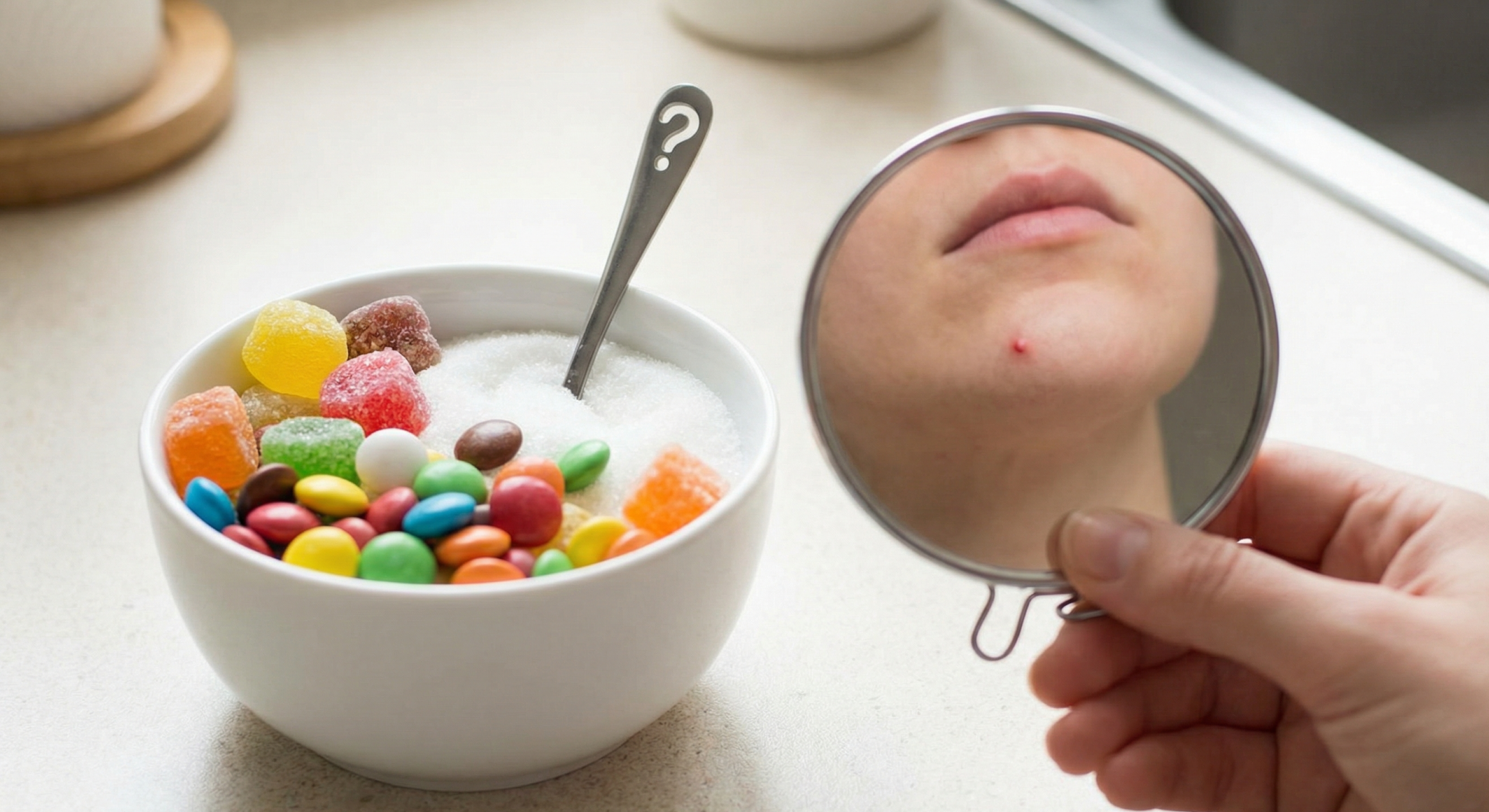
The relationship between sugar and acne is one of the most searched questions in skin health, and for good reason. The short answer is: yes, sugar can cause acne. The mechanism is more significant than most people realise.
When you consume refined or added sugars, your blood glucose levels rise rapidly. This triggers a surge in insulin, which in turn stimulates the production of androgens (hormones that increase sebum (oil) output in the skin). Excess sebum, combined with dead skin cells, creates the ideal environment for acne-causing bacteria to thrive. So while eating a piece of cake once won't immediately cause a breakout, a consistently high-sugar diet can absolutely make you break out more frequently and more severely.
This is why sugar and acne tend to go hand-in-hand, particularly when it comes to inflammatory forms of the condition such as cystic acne. If you are following a cystic acne diet, reducing added sugar (including sugary drinks, confectionery, and processed snacks) is one of the most impactful changes you can make.
Does eating sugar cause pimples overnight? Not directly. But sustained sugar consumption contributes to the hormonal and inflammatory conditions that allow pimples to form over time.
What Foods Cause Acne?
Understanding what foods cause acne is central to building a diet for acne-free skin. While individual responses to food vary, research consistently identifies several key categories of acne-causing foods:
High-Glycaemic Foods Foods that cause rapid spikes in blood sugar, such as white bread, white rice, sugary drinks, chips, and most processed snack foods, are among the most well-documented acne-causing foods. High-glycaemic diets are strongly associated with increased acne severity, particularly in adults.
Dairy Products Dairy remains a topic of ongoing research, but multiple studies have found a positive association between dairy consumption (particularly skim milk) and acne. The hormones naturally present in dairy may influence sebum production and skin inflammation, making dairy a common food trigger for hormonal acne.
Omega-6 Rich Oils A diet high in omega-6 fatty acids (found in vegetable oils, processed foods, and certain fast foods) and low in omega-3 fatty acids promotes inflammation throughout the body, including in the skin. Chronic inflammation is a key driver of acne, which is why addressing the omega-6 to omega-3 ratio is relevant to any acne inflammation diet.
Junk Food and Fast Food Does junk food cause acne? The evidence suggests it can. Junk food and fast food are typically high in refined carbohydrates, unhealthy fats, and added sugars, all of which contribute to the hormonal and inflammatory pathways associated with breakouts. So, can junk food cause acne? Yes, particularly when consumed regularly as part of a poor overall diet.
Chocolate Chocolate, particularly milk chocolate with high sugar content, is frequently reported as a personal acne trigger. While pure dark chocolate in small amounts is unlikely to be problematic, high-sugar chocolate products may contribute to breakouts in susceptible individuals.
Foods That Trigger Hormonal Acne
If you experience breakouts around your jawline, chin, and lower cheeks, particularly in the lead-up to menstruation, you may be dealing with hormonal acne. Your hormonal acne diet deserves specific attention, as some foods disproportionately influence the hormonal pathways driving this type of acne.
Foods that trigger hormonal acne include:
Dairy products, due to naturally occurring growth hormones and IGF-1 (insulin-like growth factor)
High-sugar foods, which elevate insulin and androgens, promoting hormonal acne flares
Refined carbohydrates, which behave similarly to sugar in the body
Alcohol, which can disrupt hormone regulation and increase skin inflammation
A diet for hormonal acne focuses on reducing these triggers while incorporating foods that support hormonal balance, such as cruciferous vegetables, flaxseeds, and anti-inflammatory proteins.
Foods to Avoid for Acne
Building on the above, here is a practical list of foods to avoid for acne-prone skin:
Sugary drinks (soft drinks, energy drinks, fruit juices with added sugar)
White bread, white pasta, white rice
Processed snack foods and chips
Fast food and takeaway meals high in refined oils
Milk and skim milk products (in high quantities)
High-sugar desserts and confectionery
Vegetable oils high in omega-6 (canola, sunflower, soybean oil in excess)
Alcohol
For those following a 21 day acne diet or elimination-style approach, removing these categories for a set period can provide useful insight into personal food triggers.

Foods Good for Acne: What to Eat Instead
A complete acne diet is not just about restriction. It is equally about nourishment. The following foods are widely considered among the best foods that help acne and support clearer skin:
Fatty Fish (Salmon, Sardines, Mackerel)
Leafy Greens and Vegetables
Zinc-Rich Foods
Probiotic-Rich Foods
Low-Glycaemic Whole Grains
Berries and Antioxidant-Rich Fruits
Nuts in Moderation
Treating Acne Scars Left Behind by Dietary Breakouts
Addressing the root cause through diet is essential, but what about the marks and scars that acne leaves behind? Post-inflammatory hyperpigmentation, pitted scarring, and uneven skin texture are common long-term consequences of inflammatory acne, and dietary changes alone cannot reverse them once they have formed.
This is where professional skin treatment becomes an important part of the conversation. At Aesthetica HQ, we offer some of Sydney's most advanced laser treatments for acne scarring and post-inflammatory pigmentation, including the HALO Tribrid Laser by Sciton, the BBL HEROic, and the MOXI laser.
Laser resurfacing works by stimulating the skin's natural collagen production and accelerating cell turnover, which helps smooth pitted scars, reduce redness, and even out skin tone. It is a clinically supported approach for addressing the physical reminders that acne breakouts leave behind, and it complements the dietary and lifestyle changes you are already making. Each treatment plan is personalised following a thorough consultation to ensure suitability and align with your skin goals.
For those exploring complementary options, exosome therapy may also support accelerated skin regeneration and healing when applied post-treatment, further enhancing results.
If you are in Sydney and would like to explore your options for treating acne scars, we invite you to book a consultation with our experienced clinical team.
The Best Diet for Acne: Key Principles
Rather than following a rigid meal plan, the best diet for acne is one built on consistent, evidence-informed principles:
1. Reduce high-glycaemic foods and added sugars. This is the single most impactful dietary change for most acne-prone individuals.
2. Include anti-inflammatory fats. Prioritise omega-3 sources (fatty fish, flaxseed, walnuts) and reduce omega-6-heavy processed oils.
3. Support gut health. A diverse, fibre-rich diet that includes fermented foods may reduce systemic inflammation that manifests in the skin.
4. Stay consistently hydrated. Adequate water intake supports skin cell function and helps flush waste products.
5. Limit dairy if you notice a pattern. Not everyone with acne responds to dairy elimination, but it is worth trialling if hormonal or cystic breakouts are a concern.
6. Eat whole, minimally processed foods. A diet for acne-free skin looks very similar to a generally healthy, balanced diet, which is a useful frame for long-term sustainability.
Frequently Asked Questions
Does diet affect hormonal acne specifically? Yes. Diet plays a particularly notable role in hormonal acne because foods that spike insulin and increase androgen activity directly influence sebum production and the hormonal environment that drives this type of breakout.
Can avocado cause acne? Avocado is generally considered a skin-supportive food due to its healthy fat content and anti-inflammatory properties. For most people, avocado does not cause acne and may in fact support skin health. Individual responses can vary, but avocado is not typically considered a food bad for acne.
Does seafood cause acne? Most seafood, particularly fatty fish, is considered beneficial for acne-prone skin due to its omega-3 content. Shellfish high in iodine, such as prawns and crabs, may be a trigger for some individuals when consumed in very high quantities, but moderate consumption is unlikely to be an issue for most people.
I started eating healthy and now I'm breaking out. Why? This is more common than many people realise. When you change your diet significantly, particularly by eliminating processed foods and increasing fibre and vegetable intake, your gut microbiome shifts. This transitional period can temporarily manifest in the skin. In most cases, this clears within a few weeks as your body adjusts.
Does not eating cause acne? Undereating can stress the body and disrupt hormonal balance, which may contribute to breakouts in some individuals. A well-nourished body is better equipped to regulate sebum production and manage skin inflammation. Severely restricting calories or skipping meals regularly is not a recommended strategy for managing acne.
Final Thoughts
The connection between diet and acne is well-supported by research and growing in clinical relevance. Understanding what foods cause acne, and which foods actively support skin health, gives you a meaningful level of control over your skin's condition. For most people, a low-glycaemic, anti-inflammatory diet rich in whole foods is the foundation of the best diet for acne.
However, even the most disciplined dietary approach cannot address the scars, pigmentation, and textural damage that previous breakouts may have caused. If you are ready to address both the cause and the lasting effects of acne, the team at Aesthetica HQ is here to help.
Explore our laser treatment options in Sydney or view our full range of services to find the right solution for your skin. You can also read our related blog on blemish-prone skin for further guidance on managing breakout-prone skin in everyday life.
The information in this article is intended for general educational purposes only and does not constitute medical advice. Individual results and responses to dietary changes vary. Please consult a qualified healthcare professional for personalised guidance.